Nairobi’s greatest strength has always been its people. Yet, residents increasingly find themselves succeeding despite City Hall rather than because of it.
The capital does not lack money, talent, or ambition. For the 2026/27 financial year, Nairobi City County operates on an approved budget of KSh 49.27 billion. The pivotal question is whether these funds will yield tangible services: cleaner streets, functional drainage, reliable healthcare, smooth roads, orderly markets, transparent licensing, and a responsive administration.
For Kenya’s capital, leadership can no longer be measured by speeches, billboards, or social media presence. Running Nairobi demands rigorous, operational execution.
Basic Municipal Services Are Non-Negotiable
Administrative shortfalls in Nairobi carry severe, real-world consequences:
Flooding & Disaster Preparedness: The March 2026 floods resulted in at least 33 reported fatalities, widespread displacement, and severe transport disruptions. While weather cannot be controlled, a functional county administration must proactively clear drainage networks, enforce urban planning codes, and prepare emergency response teams before crises hit.
Essential Service Delivery: At Muthurwa Market, traders recently dumped uncollected waste onto Jogoo Road after weeks of municipal inaction. Basic duties—garbage collection, pothole repairs, streetlight maintenance, and equipping health clinics—are foundational services already funded by taxpayers.
Nairobi County FY 2026/27 Budget Breakdown (KSh 49.27B Total)
├── Recurrent Expenditure: KSh 34.36B (~70%)
└── Development Expenditure: KSh 14.91B (~30%)
├── Environment, Water & Natural Resources: ~KSh 5.30B
├── Roads, Bridges, Drainage & Lighting: ~KSh 2.40B
└── Ward Development Projects (85 Wards): KSh 2.255B
Taxpayers deserve complete transparency down to the ward level: exact timelines, designated contractors, and clear accountability when project deadlines are missed.
The 2027 Gubernatorial Standard: Execution Over Slogans
Nairobians no longer need promises of a “world-class city”; they require a functional capital. The 2027 gubernatorial election must shift away from personality-driven campaigns toward measurable performance metrics.
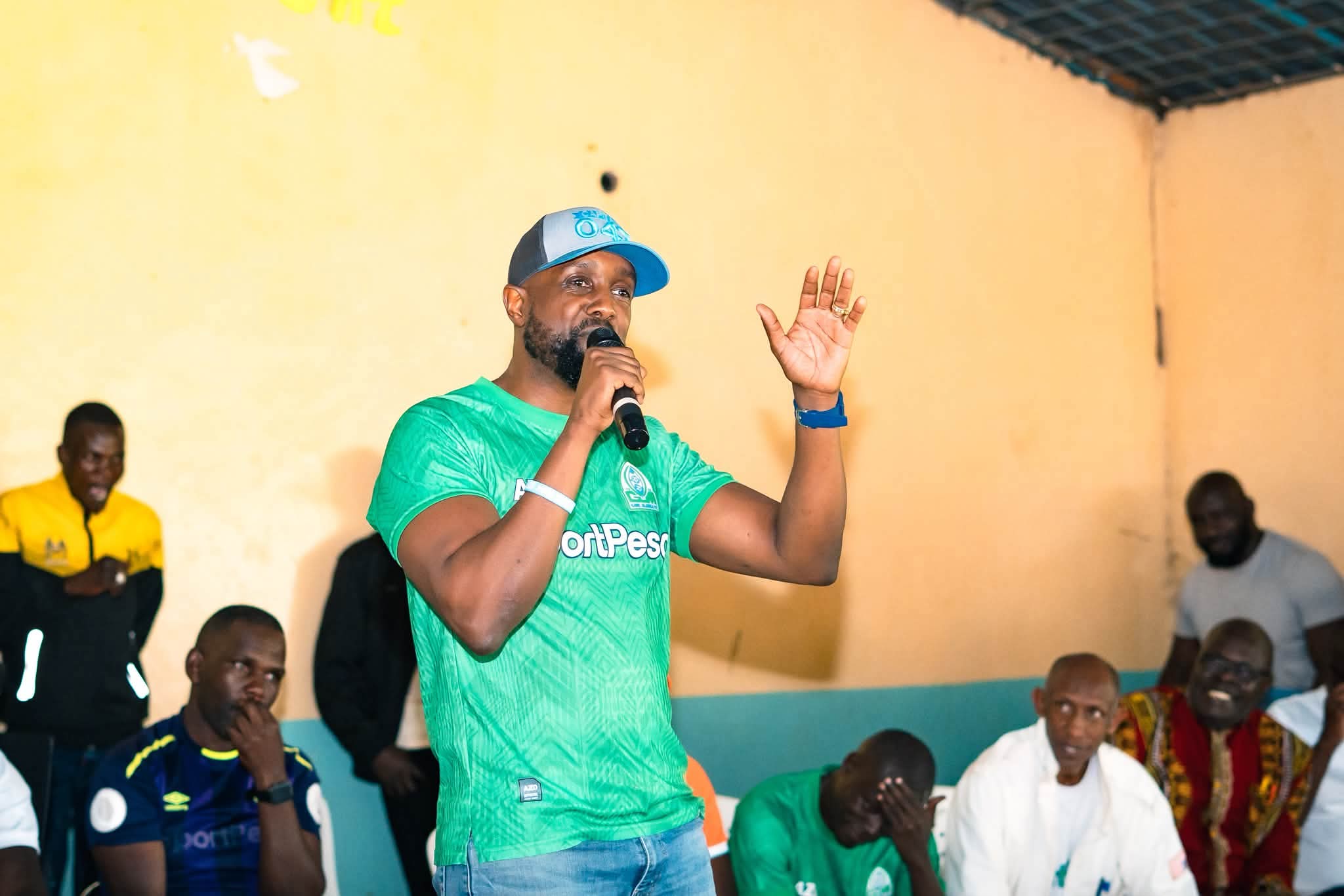
Kasarani MP Captain Ronald Karauri, who declared his candidacy for governor in February 2026, presents an unconventional background:
Aviation (2005–2015): A former Kenya Airways pilot accustomed to high-stakes preparation, strict checklists, and proactive risk management.
Corporate Leadership: Executive management experience focused on resource allocation, target delivery, and operational efficiency.
Legislative Politics: Serving as an independent MP, navigating democratic institutions, public participation, and ward-level needs directly.
Key Requirements for Any Future City Hall Leadership
Regardless of political affiliation, candidates seeking to govern Nairobi must meet a higher standard of governance:
Publish a Pre-Election 100-Day Plan: Detailed ward-by-ward mapping of drainage hotspots, garbage collection schedules, permit processing turnarounds, and real-time medical supply dashboards for county clinics.
Proactive Transparency: Clear separation of personal business interests from public resources, building verifiable systems rather than demanding blind public trust.
Grassroots Engagement: Direct consultation across all 17 constituencies and 85 wards to address diverse challenges—from CBD business logistics to water access in informal settlements.
Nairobi possesses the financial capital, local talent, and commercial ambition to thrive. Its future depends on leadership capable of building institutional systems that deliver consistent, visible results on the ground.